English
 Spanish
 French
 German
 Italian
 Chinese (Simplified)
 Japanese
 Korean
 Arabic
 Portuguese


 Send Inquiry
Vibration Feeder
Vibration Feeder Specification
- Features
- Low maintenance, adjustable feed rate, robust construction
- Shape
- Rectangular
- Size
- Medium
- Lubricating System
- Grease lubricated bearings
- Usage & Applications
- Material handling, feeding and conveying granular or powdered materials
- Surface Finish
- Smooth
- Capacity
- 100-500 kg/h
- Motor Power
- 1.5 HP
- Drive Type
- Electromechanical Vibratory Drive
- Noise Level
- <70 dB
- Product Type
- Vibration Feeder
- Material
- Mild Steel
- Technology
- Automatic
- Power Source
- Electric
- Power
- 2 kW
- Voltage
- 220-240 V
- Pressure
- Ambient
- Surface Treatment
- Paint Coated
- Dimension (L*W*H)
- 1200 x 500 x 900 mm
- Weight
- 160 kg
- Color
- Blue
- Application Industries
- Food, Mining, Chemical, Pharmaceutical, Aggregate
- Hopper Capacity
- 50-200 liters
- Corrosion Resistance
- Yes
- Deck Type
- Single or double deck options
- Dust Control
- Optional dust cover
- Mounting
- Base mounted
- Installation
- Easy to install and operate
- Working Temperature
- -10°C to 60°C
- Feed Control
- Frequency adjustable
- Operating Frequency
- 50 Hz
About Vibration Feeder
Product Description


Product Features
- Equipment that hygienically transports food, grain, and medicines using vibration.- Once the equipment is installed, stable and semi-permanent transportation is possible.
- Install a feeder suitable for the customer's on-site conditions.

Various types of infeed shaker designs for each sample

Securing equipment safety through analysis and simulation
Company Profile

DUK YOUNG ENGINEERING
Based on powder and liquid mixing technology for the past 30 years, our company provides total engineering service of automation processes required throughout the industry, such as storage, transfer, metering, and input.
Versatile Applications Across Industries
This vibration feeder serves diverse sectors including food processing, mining, chemicals, pharmaceuticals, and aggregate production. Thanks to its robust mild steel build and smooth, paint-coated finish, it efficiently handles a variety of materials, supporting both granular and powdered substances in demanding industrial settings.
Customizable Feed Control and Deck Options
Equipped with frequency-adjustable feed control, the feeder allows precise regulation of material flow according to process needs. With options for either single or double deck configurations, users can tailor the equipment to their unique operational requirements, enhancing process flexibility and throughput.
Durability and Ease of Use
Engineered for longevity, the feeder features corrosion resistance and low maintenance requirements, even under continuous operation in ambient pressures and harsh temperatures. Installation and operation are straightforward, making this feeder an optimal choice for cost-effective, streamlined material handling.
FAQ's of Vibration Feeder:
Q: How does the frequency-adjustable feed control benefit operations?
A: The frequency-adjustable feed control enables precise regulation of material flow, ensuring consistent feeding rates tailored to specific application requirements. This flexibility improves process efficiency and helps maintain optimal production output across varying materials and industries.Q: What installation process is required for the vibration feeder?
A: Installation is straightforward due to the base-mounted design. The unit is positioned on a stable, level surface, electrical connections are made to a 220-240 V power source, and feed rate settings can be easily adjusted. The feeder is engineered for simple setup, minimizing downtime during commissioning.Q: Where can this vibration feeder be used most effectively?
A: This feeder is ideal for industrial applications in the food, mining, chemical, pharmaceutical, and aggregate sectors, particularly where granular or powdered material handling is required. Its robust construction and operating temperature range of -10C to 60C allow for versatile use in various environments.Q: What materials and features contribute to the durability of this feeder?
A: Constructed from mild steel with a paint-coated, smooth surface finish, the feeder is designed to resist corrosion and wear. Additional features such as grease-lubricated bearings, an optional dust cover, and low-maintenance electromechanical vibratory drive enhance reliability and service life.Q: When should you opt for a single deck versus a double deck configuration?
A: A single deck is suitable for straightforward, singular material processing needs, while a double deck configuration accommodates multi-stage feeding or separation requirements. The choice depends on the complexity of your processing application and desired throughput.Q: What is the maximum capacity and operational noise level of this feeder?
A: The feeder is capable of handling 100 to 500 kg per hour, making it suitable for medium-scale operations. With an operational noise level of less than 70 dB, it ensures a quieter working environment without compromising performance.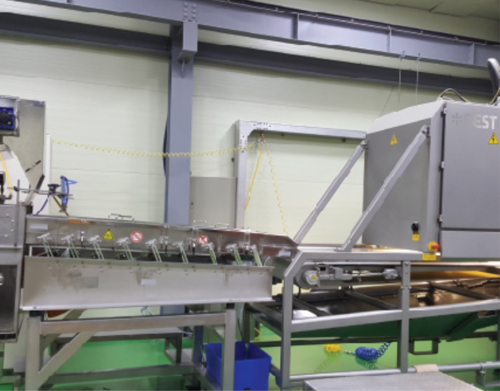

Price:
- 50
- 100
- 200
- 250
- 500
- 1000+

More Products in Machinery, Industrial Parts & Tools Category
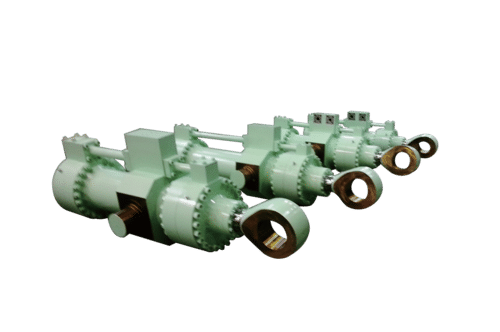
COIL CAR CYLINDER
Minimum Order Quantity : 1 Set
Product Type : Other, COIL CAR CYLINDER
Size : Standard / Custom
Surface Treatment : Other, AntiCorrosive Paint
Usage & Applications : Used for movement and lifting of coil cars in steel and metal rolling mills
Technology : Other, Hydraulic Actuation
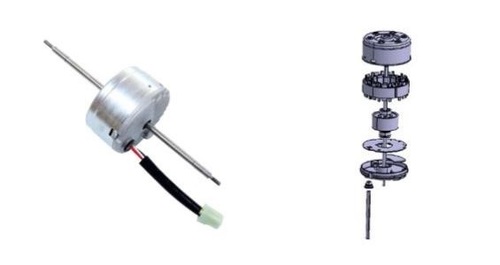
Blower Motor For Bus Air Conditioning
Minimum Order Quantity : 100 Units
Product Type : Other, Blower Motor For Bus Air Conditioning
Size : Standard OEM Size
Surface Treatment : Other, Powder Coated
Usage & Applications : Bus Air Conditioning Systems, HVAC in Commercial Vehicles
Technology : Other, Brushless Motor Technology
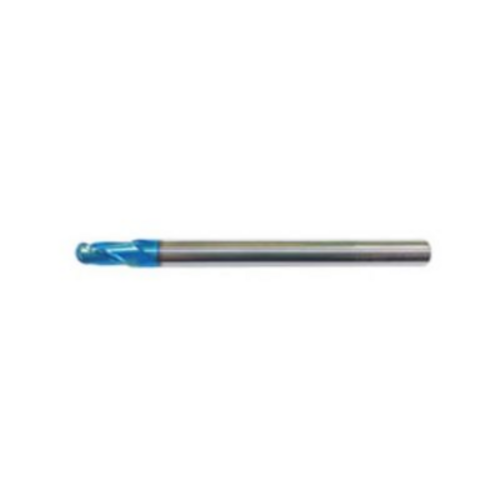
2 FLUTES BALL END MILLS
Minimum Order Quantity : 1 Unit
Product Type : Other, 2 Flutes Ball End Mills
Size : Available from 1mm to 25mm diameter
Surface Treatment : Other, Polished
Usage & Applications : Milling, profile cutting, contouring, slotting, mold & die manufacturing
Technology : Other, Precision Ground
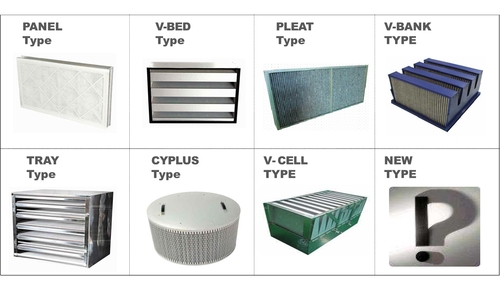
Filter PANEL V-BED PLEAT V-BANK TRAY type
Minimum Order Quantity : 100 Units
Product Type : Other, Filter PANEL VBED PLEAT VBANK TRAY type
Size : Multiple size options available
Surface Treatment : Other, Epoxy / Powder Coated
Usage & Applications : HVAC, Cleanrooms, Industrial Ventilation, Pharmaceutical, Food Processing
Technology : Other, Vshaped Pleated Panel with VBank Tray Design


 Send Inquiry